
Benefits of Training with
Quantum Synergy Patterns
If your Story starts like this:
Symptoms began gradually without specific injury, initially attributed by...
-
then your goal is not to fix the body,
but to remove the constraints that limit how it moves.
-
When posture improves, movement becomes more efficient and stress on the body decreases—supporting long-term health.
-
Our work focuses on two foundations.
- First, Functional Patterns organizes how the body moves: posture, gait, and the transfer of force.
- Second, we support how the nervous system and cells adapt to that movement.
-
When structure and adaptation improve together, the body becomes more stable, resilient, and efficient.
Enhancing Movement, Elevating Potential
Our Mission:
Revolutionizing Biomechanics Through Nervous System Training and Controlled Sensory Inputs.
We aim to support coordination, resilience, and long-term adaptability through Principal Techniques that Enhance your Nervous System, Coordination and Reduce Tension.
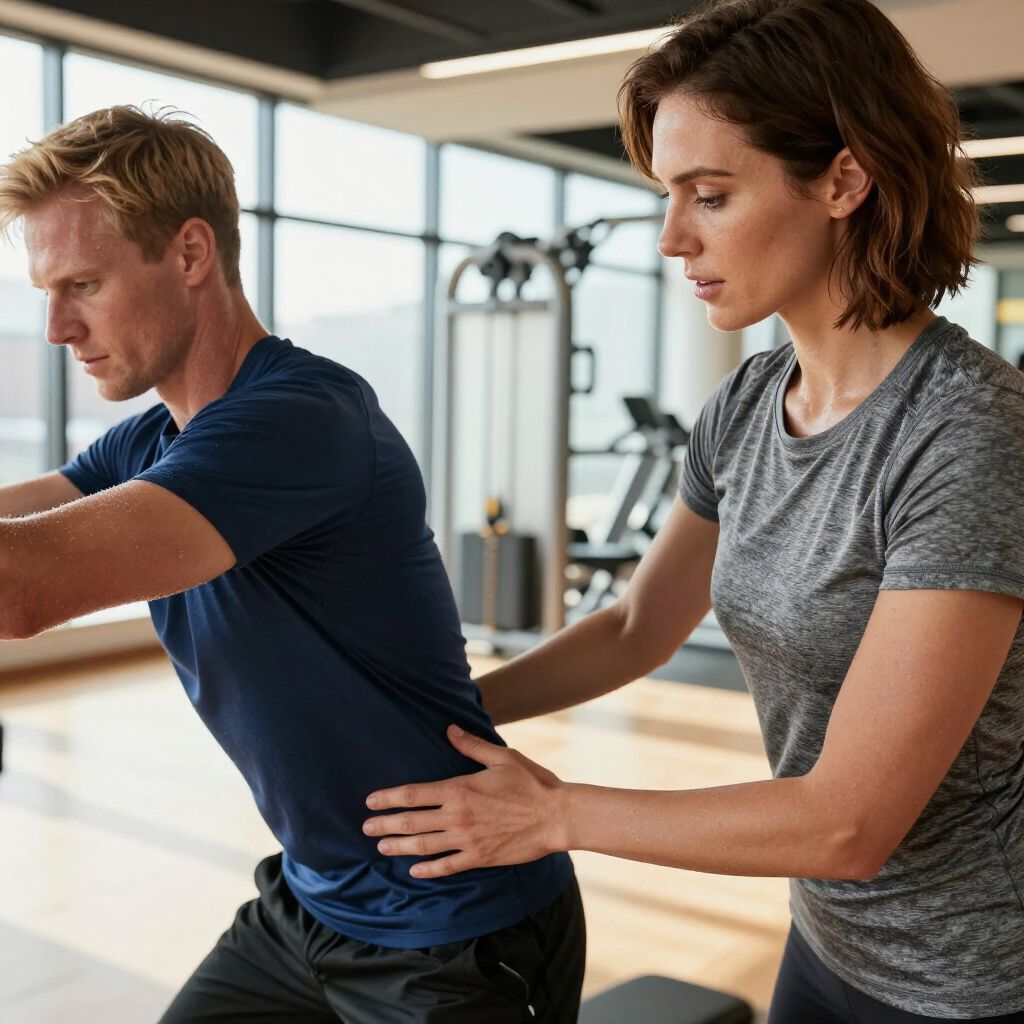
Nervous System Integration
Specialize in retraining your nervous system to enhance how sensory inputs and motor responses communicate, leading to smoother and more efficient movement patterns. By focusing on foundational elements like static postures and adaptive healing principles—which include the effects of light, sound, and EMF exposure—we help you optimize your biomechanics.
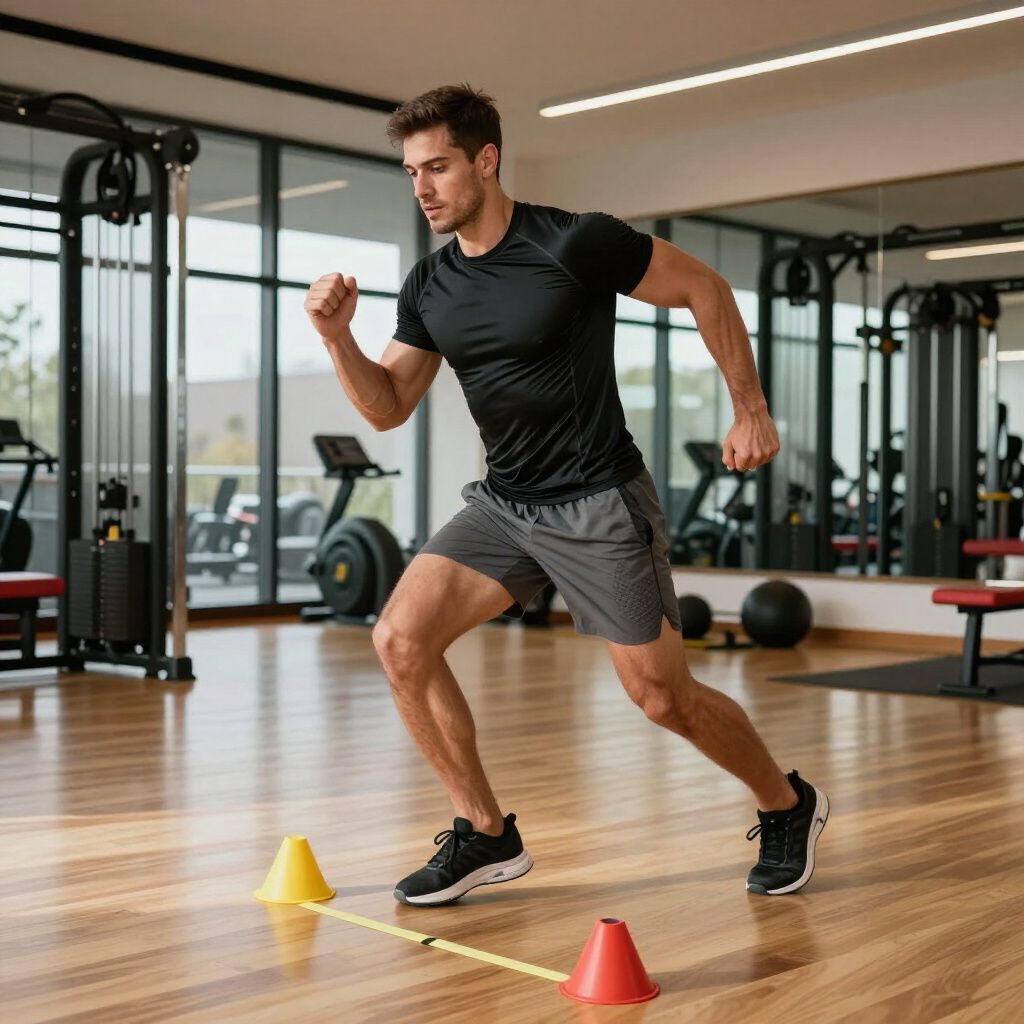
Adaptive Coordination Training
Our methods challenge the body’s adaptive capabilities, enhancing coordination by engaging multiple muscle groups simultaneously rather than isolated muscle control. By optimizing how force moves through the body, we help clients achieve better posture and movement efficiency, reducing strain and improving overall biomechanics.

Neuromuscular Massage Therapy
Neuromuscular massage therapy is a specialized approach aimed at tackling various physical issues through the application of targeted pressure on specific body points. This technique emphasizes the relief of muscle tension, improvement of circulation, and reduction of pain, leading to notable enhancements in overall mobility and comfort.
Harnessing the Power of Quantum Biology
Transform Your Health with Quantum Insights
At Quantum Synergy Patterns, we delve into the fascinating intersection of quantum biology and human health. By understanding how environmental factors like sunlight and circadian rhythms influence our biology, we can enhance metabolic and mitochondrial health. Our approach emphasizes the importance of posture and movement, training your nervous system to adapt and thrive. Discover how aligning your body with natural rhythms can lead to improved well-being and performance.
Extended Offers @ QSP
What you will also Learn to help you Heal

Myofascial Release
MFR, is a safe, hands-on or self induced therapy that involves applying sustained pressure to the myofascial connective tissue restrictions, eliminating pain and restoring motion.

Light and it’s effects
Most simple way to understand light is A mood variations have been shown to be influenced by a complex and non-additive interaction between circadian phase and the duration of prior wakefulness. Specifically, relatively moderate changes in the timing of the sleep–wake cycle and with your gerneral well being.
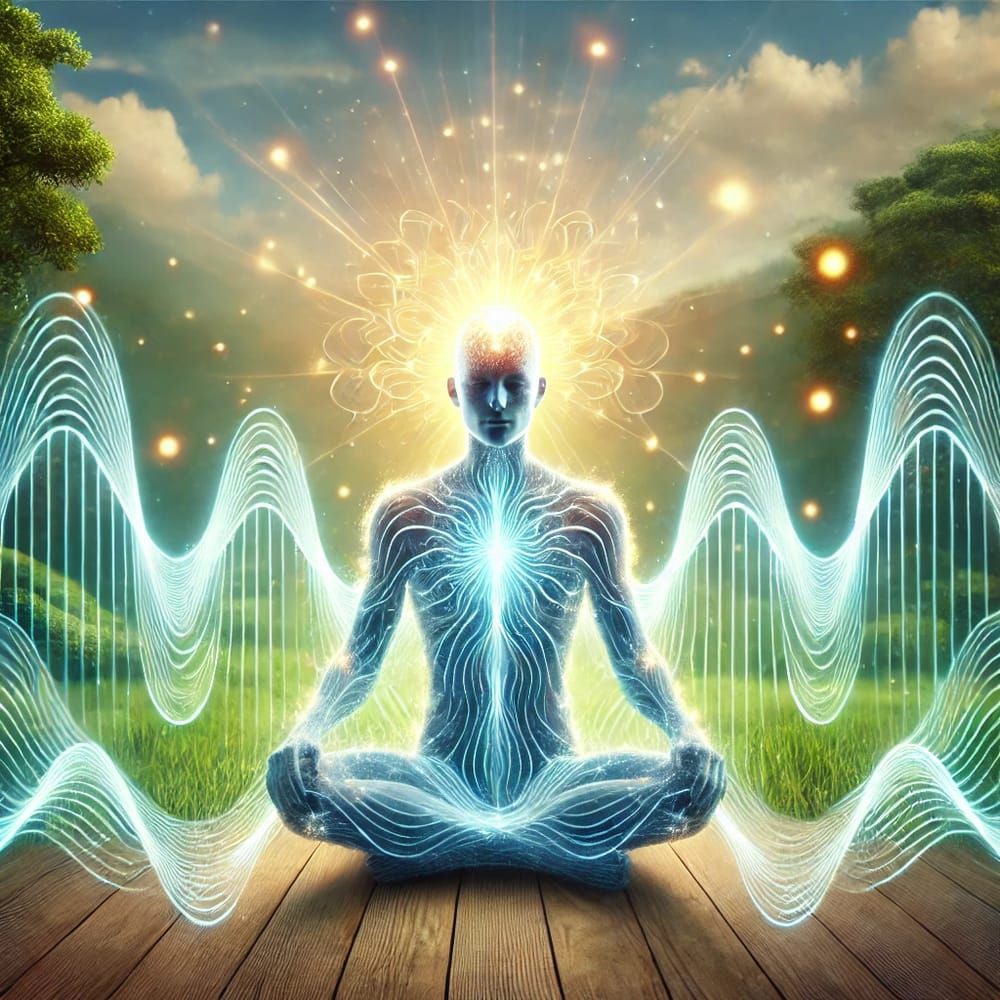
Electro-Megnetic Fields and it’s effects
EMF for short. It's just invisible energy that moves through the air. Some are natural, like the sun and some are made like power lines, and devices like phones and Wi-Fi.
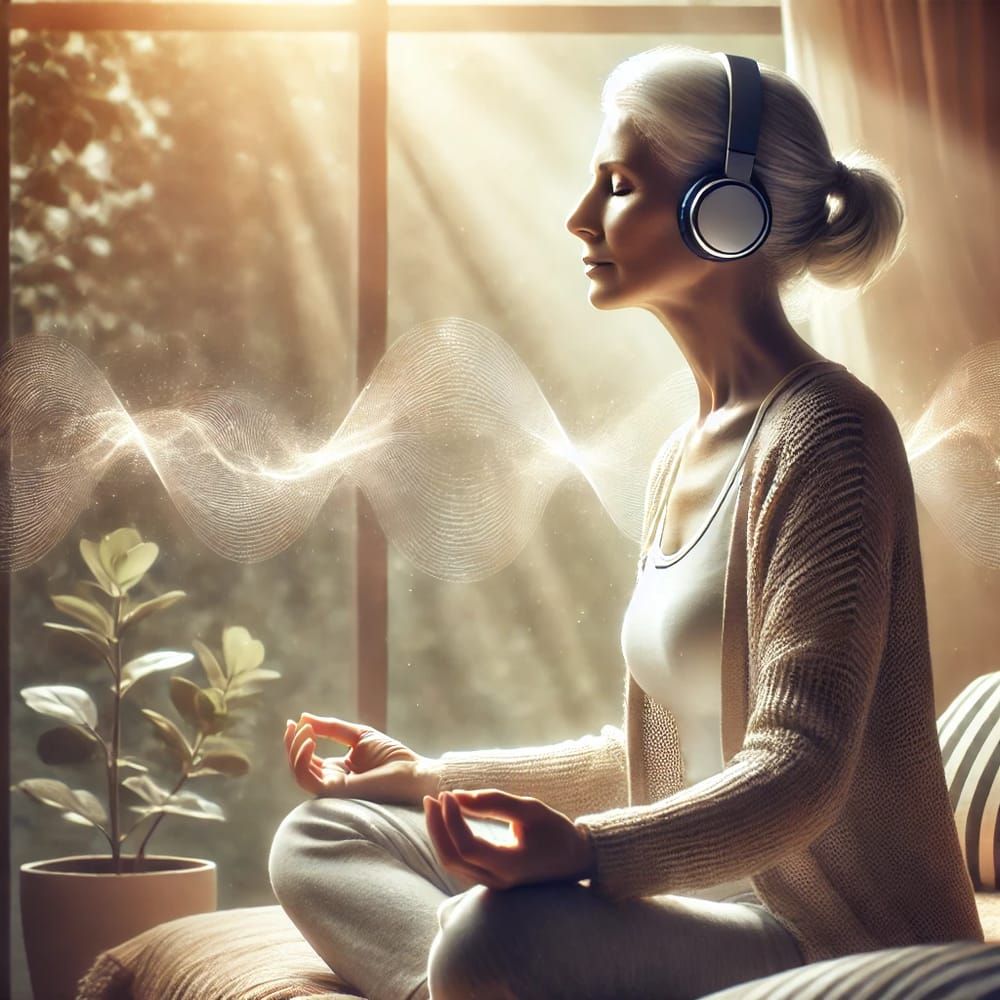
Sound and it’s effects
Sound, settle but powerful. Sound is just vibration moving through the air. Sound healing isn't magic- it's using rhythm and vibration to help your body. The movement of sound can influence your brain, organs and nervous system.
The strange environment of
Your Body’s Parts
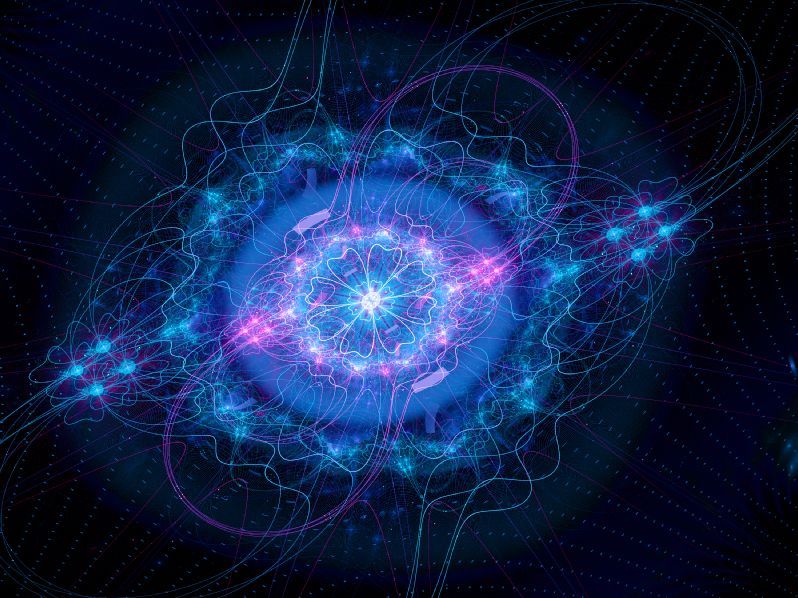
Water is Alive and listening
Dr. Masaru Emoto conducted a series of experiments exploring the effects of human consciousness on water. His most well-known experiments involved exposing water to various words, thoughts, and emotions and then observing the resulting changes in the water’s molecular structure. One of the most striking findings was that positive intentions, such as words of “love and gratitude,” had a transformative effect on water crystals.
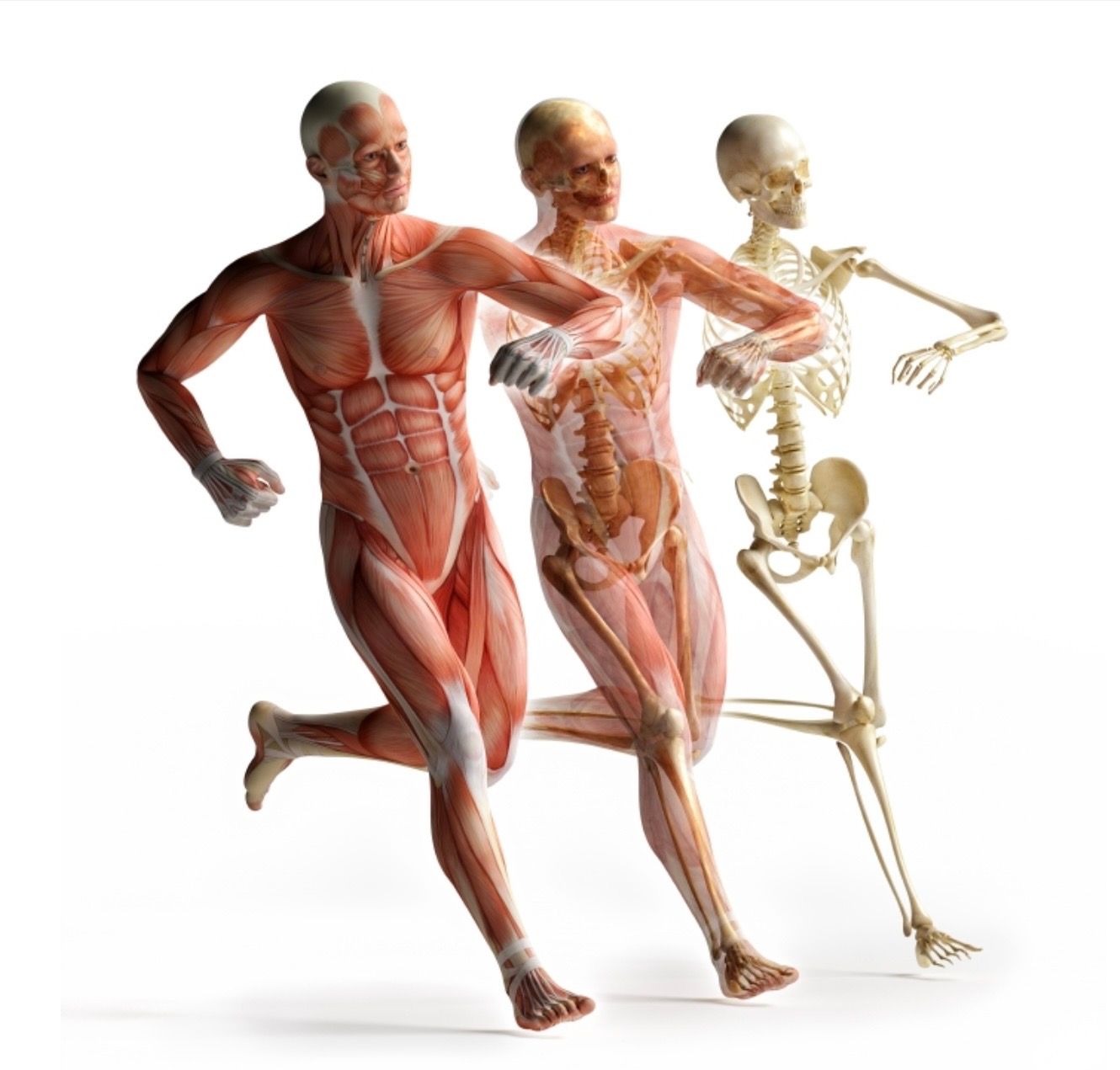
Fascia Network
Fascia is a body-wide connective tissue network that helps distribute force and transmit sensory information. It connects muscles into functional chains and plays a role in coordination, stability, and perception of movement.
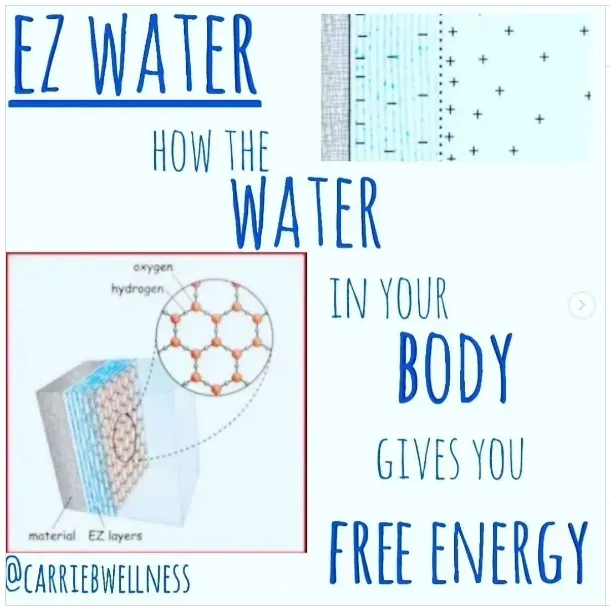
Exclusion Zone water
Researchers have proposed that water behaves differently near biological surfaces, forming a more structured layer compared to bulk liquid water.
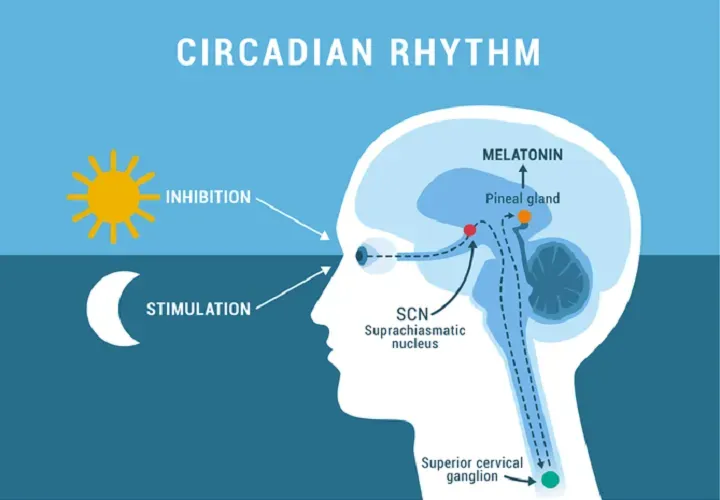
Circadian Rhythm
There's a sunrise and a sunset every day. We're hard-wired to react to the sun rise and set since that's how life on Earth has evolved over time. It's a 24-hour clock which is internal that's always on, responding to changes in our environment's natural lighting. The biological clock in the body helps to control numerous bodily functions
Learn more about
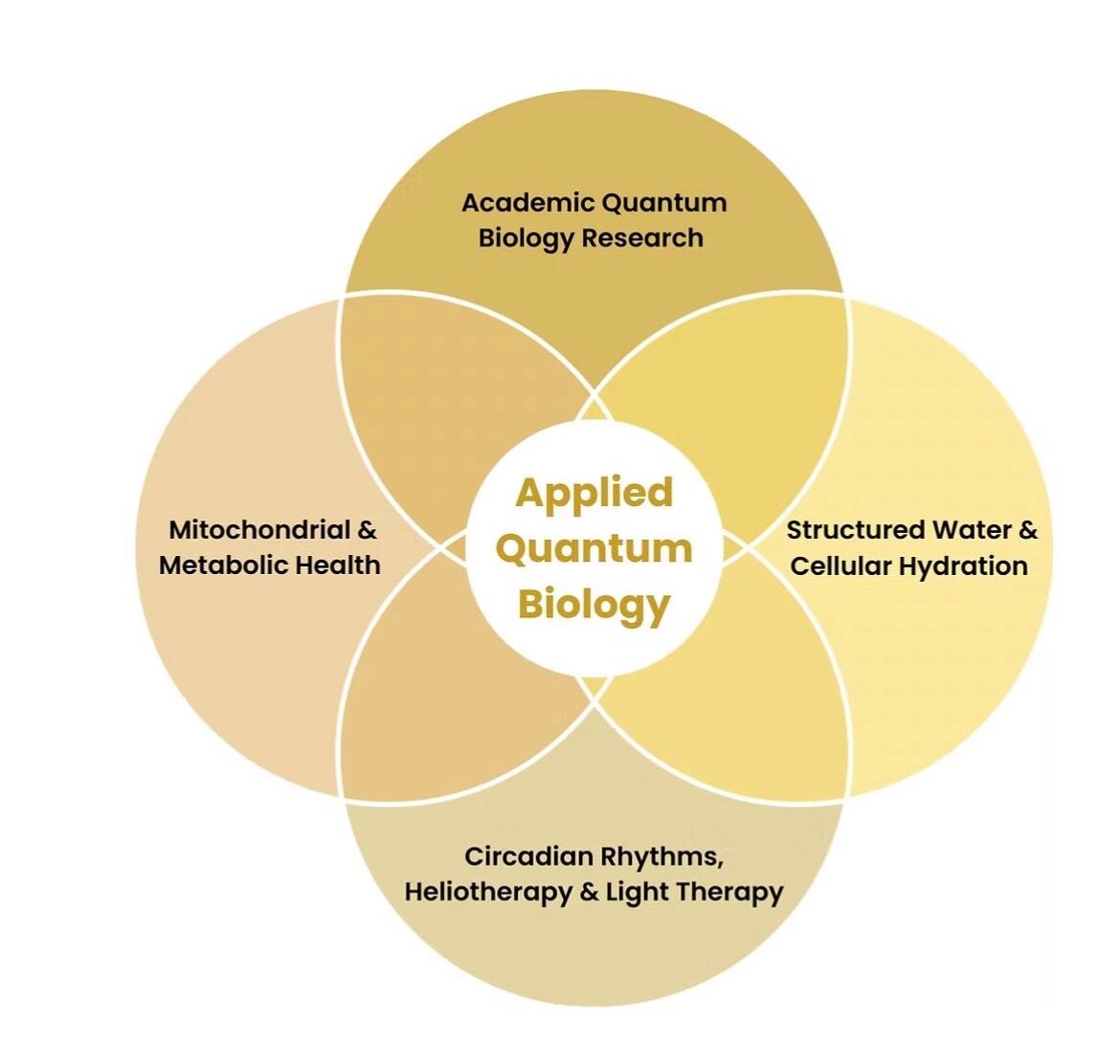
Applied Quantum Biology
Applied Quantum Biology often incorporate strategies such as:
- Circadian rhythm optimization
- Strategic sunlight exposure
- Reducing artificial light at night
- Environmental and lifestyle adjustments affecting cellular energy
A central concept in AQB is that light is one of the primary regulators of human biology.
Research in circadian biology shows that light exposure helps regulate:
- Sleep cycles
- Hormone release
- Metabolism
- Mitochondrial function
- Cellular repair processes
AQB practitioners often emphasize that a biologically optimized light environment may be as essential to health as food, air, and water.
These approaches aim to support mitochondrial health, metabolic regulation, and overall biological resilience.
I'll guide you through the Blue Light world
In Quantum Synergy Patterns, we look at how environmental signals - including light - influence the body’s internal timing systems, because performance and recovery depends on how well structure and physiology stay synchronized with the environment. By reducing blue light exposure in the evening you can help maintain natural melatonin rhythms and support circadian alignment which improves sleep quality and recovery. But blocking blue light during the day is generally not beneficial.
Why Red Light on You
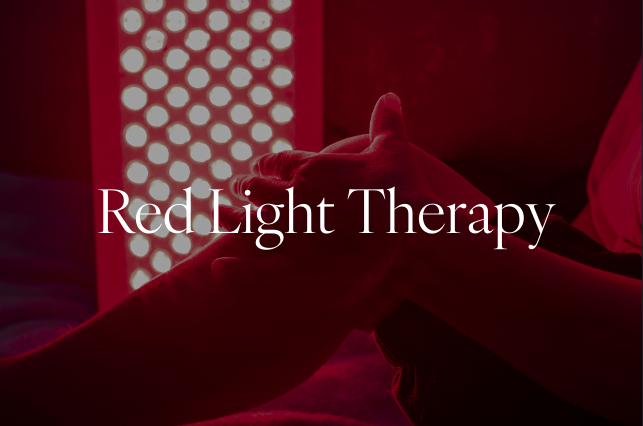
Red light exposure involves the use of specific wavelengths of red and near-infrared light. This non-invasive method is often included in wellness routines to complement the body’s natural functions, encourage balance, and support overall well-being—easily fitting into any daily self-care practice.
Enhance Your Every Day Living Today
Improving your posture supports smoother movement and eases daily discomfort by retraining your nervous system for better coordination and force distribution. Start integrating simple, effective exercises that align your body and boost overall function. We will show you how feeling tight doesn’t mean you are tight.
Questions on Posture and Movement
Explore answers to frequent inquiries about how posture, biomechanics, and nervous system training influence your movement and overall function.
How does nervous system training improve posture?
Training the nervous system enhances coordination and sensory feedback, allowing your body to adapt movement patterns for better alignment and reduced strain.What role does biomechanics play in daily movement?
Biomechanics studies how forces act on the body, helping identify efficient movement strategies that minimize injury and optimize performance.Why focus on coordination instead of isolated muscles?
Focusing on coordination trains your body to work as an integrated system, improving force transfer and movement efficiency beyond individual muscle strength.Can posture training reduce chronic pain?
Improved posture through nervous system adaptation can alleviate stress on joints and muscles, often leading to decreased chronic discomfort.How do sensory inputs affect movement patterns?
Sensory information guides the nervous system to adjust movements dynamically, ensuring balance, stability, and efficient force application.
Book Your Appointment Today
Get the answers and guidance you need to enhance your posture, movement, and overall biomechanics. Our specialized approach focuses on training your nervous system for better coordination and efficient force transfer. Don't wait—take the first step towards a healthier you.
Get Started with Quantum Synergy Patterns
Have questions about improving your posture, movement, or overall biomechanics?
We're here to help!
Fill out the form below or schedule a consultation with us to explore how our unique approach can benefit you.
Your journey to better movement starts here!